

Cart
0
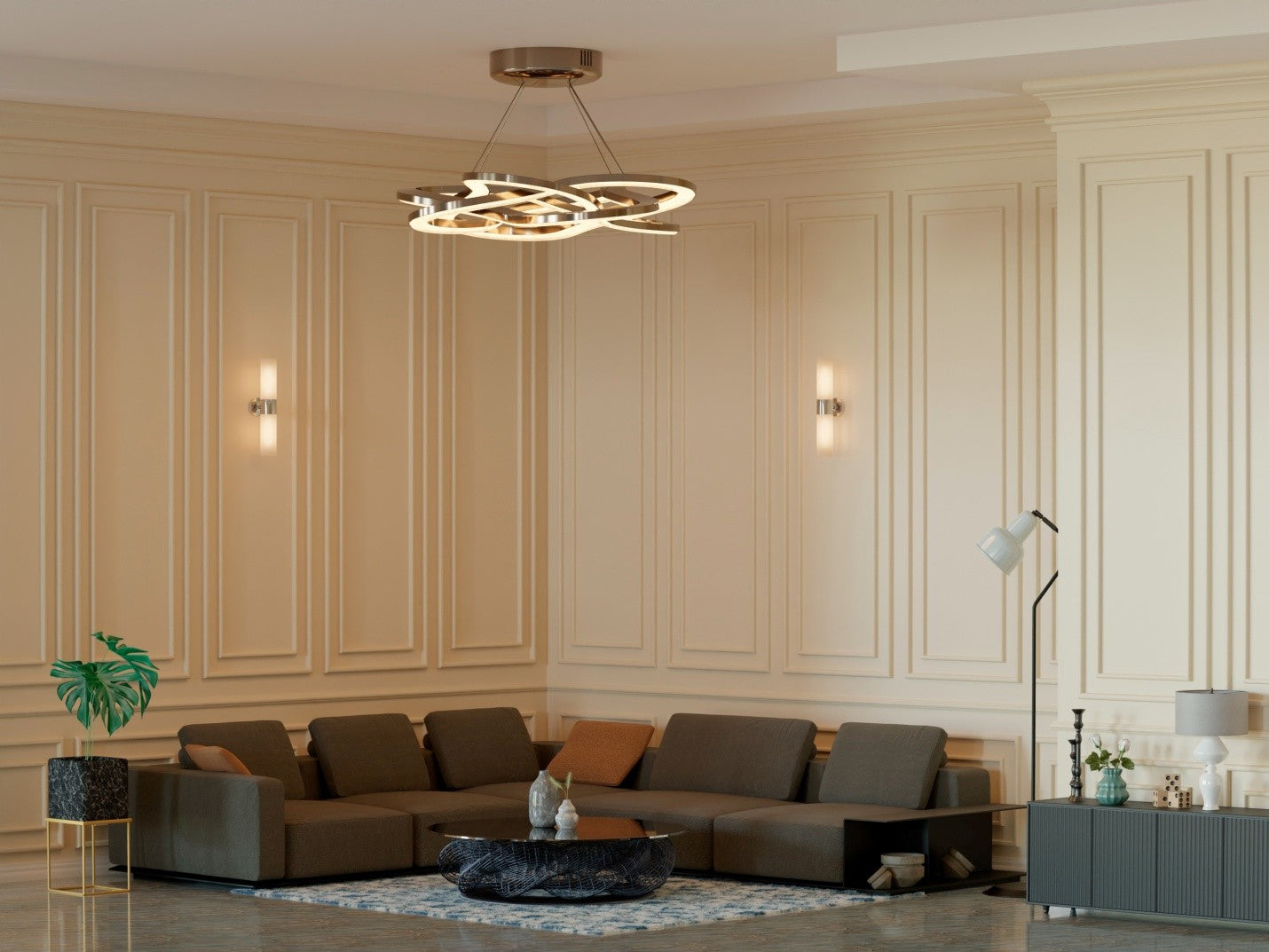
Interior design is changing fast, and wall moulding designs are playing a huge role in this transformation. Whether you look at luxury homes, minimalist apartments, or commercial interiors, wall moulding design has become a powerful tool for enhancing depth, aesthetics, and structure. From classic wooden mouldings to modern PVC mouldings, interior styles, the demand is at an all-time high—and it’s not just about decoration anymore. Today, mouldings influence the mood of a room, the perceived size of a space, and even the level of sophistication of the interior.
In this complete guide, we will explore wall moulding, PVC moulding, wall moulding design, roof moulding design, picture frame moulding, frame moulding, moulding for framed wallpaper, and more—while keeping each keyword naturally integrated and fully relevant.

Understanding Wall Moulding in Modern Interiors
Wall moulding has evolved far beyond its traditional ornamental role. Today, homeowners use wall moulding designs to create accent walls, break visual monotony, and add geometric elegance. A well-executed wall moulding can elevate a basic room into a sophisticated, structured space. This is why searches for wall moulding and moulding design on wall have grown massively in recent years.
A typical moulding for walls includes decorative strips installed on flat surfaces to create patterns. You will find flat panels, box mouldings, thin-line geometric mouldings, and multi-layered mouldings. Each of these styles suits a different interior mood—modern, vintage, luxury, or minimal.
The rise in demand for moulding wall designs is also tied to the availability of affordable materials. Earlier, only wood and plaster were widely used. Today, PVC moulding is replacing traditional materials due to its durability, water resistance, and ease of installation.
What Do You Mean by Moulding?
Many people confuse moulding with casting, or even the medical term “moulding of fetal head.” But in the interior industry:
Moulding means a decorative or functional trim installed on walls, ceilings, or furniture to cover transitions and add detail.
Architectural moulding has been used for centuries in palaces, classical architecture, and heritage homes. Modern interior design has revived this art with cleaner profiles, lightweight materials, and creative layouts.
Wall Moulding vs Ceiling Moulding
People often ask: What is a ceiling moulding called?
Ceiling moulding is often called crown moulding. It is installed where the wall meets the ceiling, adding a soft, luxurious finish to the upper edges of the room.
Roof moulding design (interior) is a broader term that includes:
- Crown moulding
- Cornices
- Roof-edge decorative trims
- Angular moulding profiles for ceiling borders
Today, moulding design for roof areas is much more minimal than older, heavier mouldings. Slim PVC crown mouldings, shadow-gap mouldings, and LED-embedded trims are becoming the modern trend.
PVC Mouldings Interior – Why They’re Becoming the New Standard
One of the strongest keywords today is PVC mouldings interior, and it’s growing for a reason. Unlike wood, PVC doesn’t warp, swell, or get affected by humidity. This makes it perfect for:
- Kitchens
- Bathrooms
- Balconies
- Commercial spaces
- Rental apartments
PVC moulding is lightweight, highly durable, and available in many profiles—flat, curved, ornate, or geometric. It also comes pre-primed, making painting much easier.
Despite its affordability, high-quality pvc moulding can mimic the look of real wood or plaster, giving you premium style without premium maintenance.

Exploring Wall Moulding Designs: From Minimal to Luxury
Let’s dive into the heart of this topic—modern wall moulding designs. People searching for wall moulding want either aesthetic ideas, practical guidance, or design inspiration. Below are the most popular trends dominating luxury interior design today.
1. Thin-Line Geometric Mouldings
These are perfect for minimalist homes. Thin PVC mouldings or wooden trims can create geometric shapes such as rectangles, diamonds, or linear grids. They add modern structure to an otherwise plain wall.
2. Classic Wainscoting
Wainscoting moulding panels offer a timeless style. They usually cover one-third of the wall, instantly adding depth and richness. Homeowners use it in:
- Living rooms
- Dining rooms
- Corridors
- Stairway walls
3. Picture Frame Moulding
This is one of the most common wall moulding designs. Picture frame moulding creates symmetrical framed boxes on the walls, giving a formal, elegant appearance. Modern homeowners choose picture frame moulding on walls to create gallery-style aesthetics.
4. Moulding Framed Wallpaper
If you want to blend traditional and contemporary styles, moulding framed wallpaper is the most effective technique. Here, mouldings are installed as borders around wallpaper panels, creating high-end accent walls.
5. Panel Moulding With LED Lighting
Shadow gaps or indirect lighting inside mouldings are fast becoming a modern interior trend. It creates a floating wall effect that looks ultra-luxurious.
6. Floor-to-Ceiling Strip Moulding
This uses slim vertical mouldings to visually elongate the room and make ceilings look higher.
7. Dome and Roof Moulding Design
Roof moulding design is now sleeker, lighter, and more geometric. PVC crown mouldings and minimal cornices can completely transform a ceiling.
Frame Moulding & Picture Frame Moulding – Not Just for Photographs
When we talk about frame moulding, most people think of photo frames. But in interior design, frame moulding plays a huge role in architectural styling.
Where Frame Moulding Is Used Today
- To create wall panels
- To highlight artwork
- To build mirror frames
- To create symmetrical wall accents
- To enhance modern luxury interiors
Picture frame moulding is particularly useful in living rooms and hallways, where framed sections make the walls look richer and more finished.
When combined with moulding, framed wallpaper creates a high-end designer look seen in boutique hotels and premium apartments.
What Is Moulding in Casting? (Simplified for Design Readers)
Some readers confuse architectural moulding with manufacturing moulding. In manufacturing:
Moulding is a process in which a liquid or soft material is shaped using a rigid mould.
Examples include:
- Injection molding
- Compression molding
- Blow molding
This is unrelated to home interiors, but because of a similar spelling, it appears in search queries.

Moulding Panels vs Moulding Strips
Searches for moulding panels and moulding ceilings are growing because homeowners want pre-designed solutions.
Moulding panels are pre-assembled, square or rectangular units that you can mount directly on the wall. These look extremely professional and reduce installation time.
Moulding for the wall, on the other hand, includes individual trim strips used to create custom designs.
Choosing the Right Material: PVC, Wood, or Plaster?
Here’s a quick comparison to help homeowners or designers choose the correct moulding materials.
PVC Moulding
- Waterproof
- Lightweight
- Affordable
- Easy to install
- Perfect for modern homes
Wooden Moulding
- Rich, warm, premium look
- Best for classic homes
- Requires maintenance
Plaster Moulding
- Used for luxury or heritage interiors
- Heavy and more expensive
- Perfect for ceiling moulding and roof moulding design
For most homes today, PVC interior mouldings are the smartest and most practical choice.
Moulds for Resin Art – A Creative Side of Moulding
Another trending keyword is moulds for resin art. These are silicone or plastic moulds used for making resin trays, coasters, decorative pieces, and wall art.
Resin moulds allow interior designers and artists to create custom pieces that complement wall moulding designs. Many modern homes combine resin art panels with picture frame moulding or wainscoting to create personalised décor walls.
Moulding Wall Design Ideas for Small Rooms
Small rooms benefit even more from thoughtful moulding. Here are design tips to make compact spaces look bigger:
- Use vertical mouldings to increase the perceived height.
- Choose slim PVC mouldings instead of bulky wooden ones.
- Add light colours to blend mouldings with the wall for subtle depth.
- Use moulding framed wallpaper for an elevated focal point without clutter.
Even a simple moulding design on the wall can dramatically upgrade a small bedroom or living room.
Conclusion: The Future of Moulding Wall Design
From classic to contemporary, moulding design has evolved into an essential interior trend. Whether you choose traditional wooden trims, designer wall moulding panels, or modern PVC moulding, each style adds character, structure, and artistic value to your space.
With options like picture frame moulding, roof moulding design, moulded wallpaper, geometric wall moulding designs, and resin artwork integration, there are endless possibilities. Moulding is no longer just a decorative strip—it’s a complete design language that transforms the identity of any room.
Frequently Asked Questions (FAQ)
What do you mean by moulding?
Moulding is a decorative or functional trim used on walls, ceilings, or furniture to enhance transitions or add detail.
What is a ceiling moulding called?
Ceiling moulding, also known as crown moulding, is commonly  used at the junction where the wall meets the ceiling.
What is moulding in casting?
In manufacturing, moulding refers to shaping materials using a rigid mould. This is different from architectural moulding.
What is moulding vs moulding?
Both spellings mean the same thing—“moulding” is used in British English, while “moulding” is the American spelling.
. What is wall moulding used for?
Wall moulding adds depth, structure, and elegance to plain walls. It helps create decorative patterns, enhances visual interest, and can transform a basic room into a luxurious space. Modern wall moulding designs are used in bedrooms, living rooms, hallways, and commercial interiors.
. Which material is best for wall moulding—wood, plaster, or PVC?
PVC moulding is often considered the best choice for modern homes because it is lightweight, durable, waterproof, and easier to maintain than wood or plaster. Wooden mouldings provide a classic, premium appearance, while plaster moulding is best for large ceilings and heritage-style interiors.
. Is PVC moulding durable?
Yes. PVC moulding is extremely durable. It does not warp, swell, or crack due to moisture or weather changes. This makes it ideal for kitchens, bathrooms, balconies, and high-humidity locations. It is also much easier to install and paint.


