

Cart
0
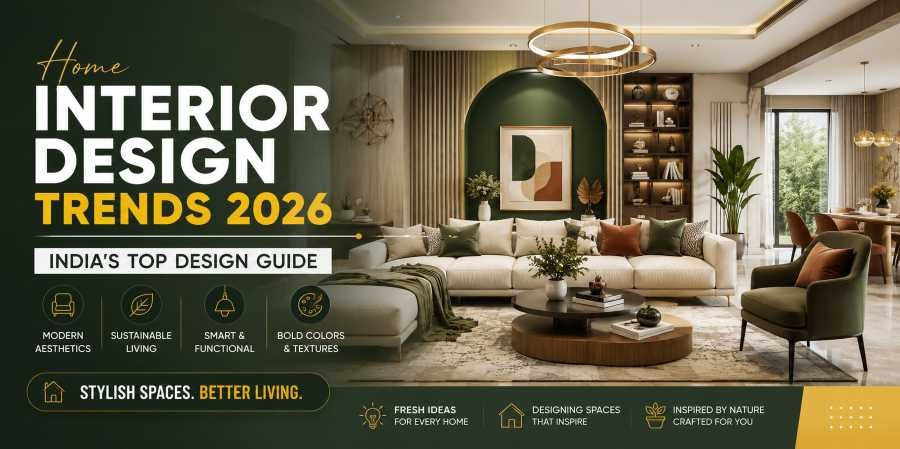
The idea of a "dream home" in India is quietly being rewritten. For years, aspirational interiors leaned heavily on imported, showroom-perfect aesthetics — cool greys, glossy finishes, and rooms that looked more staged than lived in. In 2026, that script has flipped. Homeowners are prioritising spaces that feel warm, personal, and genuinely functional over spaces designed purely to impress, moving away from cookie-cutter Western minimalism toward interiors that blend cultural heritage, sustainability, and everyday well-being. It's less about following a trend and more about building a home that actually reflects how you live.
Whether you're renovating a single room or planning a full home from scratch, here's a look at the interior design trends genuinely shaping Indian homes this year, and practical ways to bring them into your own space.

Why 2026 Is a Turning Point for Indian Interiors
Designers across the industry describe this moment with a shared phrase: emotional intention. Rather than chasing flawless finishes, homes are being designed around how they make people feel — restored, comfortable, and genuinely themselves. That shift shows up everywhere, from the materials being chosen to the way rooms are laid out, and it's producing interiors that feel considerably more forgiving and human than the picture-perfect aesthetic that dominated the last decade.
Top Home Interior Design Trends for 2026
1. Warm Minimalism Replaces Cold, All-Grey Interiors
All-grey palettes are losing ground fast, giving way to warmer, earthier tones like terracotta, sage green, and muted ochres. Paired with multifunctional furniture and clutter-free layouts, this "warm minimalism" approach keeps homes feeling calm and spacious without feeling cold or clinical.
2. Biophilic Design and Natural Materials
Indoor plants, natural wood, stone accents, and large windows that frame the outdoors continue to define India's most popular design direction. Beyond aesthetics, biophilic design genuinely improves how a space feels day-to-day, creating a calmer, more grounded atmosphere and even supporting better indoor air quality.
3. The Wabi-Sabi Shift Toward Imperfect, Lived-In Homes
Maximalist clutter and flawless, uniform finishes are both fading. In their place, homeowners are embracing natural texture, patina, and gentle imperfection — an approach that pairs beautifully with handcrafted pieces and family heirlooms, since it doesn't demand a perfectly matched, showroom look.
4. Open, Multifunctional Floor Plans
Open layouts connecting the living room, dining area, and kitchen remain hugely popular, improving natural light flow and making even compact homes feel noticeably larger. With work-from-home culture still shaping daily routines, many layouts now also build in flexible zones that can shift between work and living space as needed.
5. Sustainable, Eco-Conscious Materials
Sustainability has moved from a niche preference to a genuine design priority. Reclaimed wood, bamboo, rattan, and low-VOC paints and finishes are increasingly the default choice, valued as much for better long-term durability and indoor air quality as for their environmental impact.
6. Smart Home Technology, Seamlessly Integrated
Voice-controlled lighting, automated curtains, smart climate control, and integrated security systems have moved from luxury add-ons to standard features in many new homes. The best implementations keep this technology genuinely useful while staying visually unobtrusive, rather than dominating the room.
7. Statement Lighting as an Emotional Element
Lighting in 2026 is being treated as far more than a functional necessity. Designers are increasingly using fixtures — from sculptural pendant lights to artistic floor lamps — as a central mood-setting element in a room, designed to be experienced and noticed rather than simply switched on.
8. Personalised Storytelling Through Meaningful Objects
Perhaps the most human trend of the year: homes that are shaped by the actual people living in them. Family heirlooms, travel finds, books, hobbies, and custom-framed photography or art are being layered into a space intentionally, letting layout, storage, and decor choices reflect real memories rather than a generic mood board.
9. Regional Craft and Jali Work
Traditional Indian architectural details are finding fresh relevance in contemporary homes. Hand-carved wooden panels, Jali (lattice) work, and other regional craft techniques are being used as standalone statement features, adding cultural depth and texture without requiring a fully traditional interior around them.
10. Digital Craft: Where AI Meets Handmade
One of 2026's more unexpected developments is the rise of "digital craft" — AI-generated patterns translated into cushions, rugs, and wallpapers, alongside parametric lighting and uniquely shaped furniture that feels both organic and futuristic. It's a small but genuinely novel category worth watching as it matures.
What's Fading Out in 2026
Not every recent trend is carrying forward. All-grey interiors are steadily losing ground to the warmer palettes described above, while high-gloss gold and mirror finishes are being replaced by brushed, aged metals with more character. Overdone boho styling is giving way to more refined, editing-conscious looks, and maximalist clutter is fading alongside the pressure to keep every room looking showroom-perfect. The common thread: homeowners are choosing authenticity over polish, and comfort over performance for guests.

Applying These Trends Room by Room
In the living room, warm minimalism and statement lighting tend to have the biggest visual impact, since this is the space most shaped by daily gathering and downtime. Bedrooms benefit most from biophilic touches, and Wabi-Sabi textures — natural fabrics, muted tones, and a few personal, meaningful objects create a genuinely restful atmosphere. Kitchens and dining areas are where open floor plans and smart home technology tend to matter most, since these are the spaces where flow and convenience directly affect daily routine. Entryways and hallways are ideal spots for regional craft details like Jali work or a hand-carved panel, since these transitional spaces can carry a bolder design statement without overwhelming the rest of the home.
How to Bring These Trends Into Your Own Home
• Start with colour: swap out cool greys for one or two warm, earthy accent tones rather than repainting an entire home at once.
• Add one biophilic element per room — a plant, a wood accent, or better natural light — rather than trying to overhaul everything simultaneously.
• Layer in personal objects deliberately: a few well-chosen, custom-framed photographs or heirloom pieces do more for a room's character than a large volume of generic decor.
• Choose multifunctional furniture for smaller homes to keep layouts open without sacrificing storage or functionality.
• Introduce one regional craft element, such as a Jali panel or hand-carved piece, as a focal point rather than spreading traditional details thinly across the whole home. Prioritise low-VOC paints and finishes when repainting or renovating, since the health and durability benefits tend to outweigh the modest upfront cost difference.
Conclusion
Home interior design in 2026 isn't really about a single aesthetic — it's about intention. Whether that shows up as warm, earthy minimalism, natural biophilic materials, thoughtfully imperfect Wabi-Sabi textures, or a shelf of travel finds and framed family photographs, the throughline across every trend this year is the same: homes that genuinely reflect the people living in them outlast anything copied from a mood board. Trends will keep shifting, but a home built around what actually feels good and functions well for your life rarely goes out of style.
Frequently Asked Questions (FAQs)
Q1. What is the biggest home interior trend in India for 2026?
Warm minimalism is currently the defining trend — a shift away from cold, all-grey interiors toward earthy palettes like terracotta and sage green, paired with multifunctional furniture and a more lived-in, less "showroom-perfect" feel.
Q2. How can I make a small apartment feel bigger using 2026 design trends?
Focus on warm minimalism: use earthy tones, multi-functional furniture that serves more than one purpose, and mirrors or glass partitions to create the illusion of extra space. Open, connected layouts between living and dining areas also help smaller homes feel far more spacious.
Q3. Are sustainable interior design choices more expensive in India?
Some eco-friendly materials carry a higher upfront cost, but they're often more durable and energy-efficient, which tends to offer better long-term value and lower maintenance costs over the life of the home.
Q4. What does biophilic design mean, and how do I add it to my home?
Biophilic design connects indoor spaces with nature through elements like daylight, indoor plants, natural materials (wood, stone, jute, bamboo), and views of the outdoors. Even small homes can incorporate it through potted plants, natural light, and simple wood or stone accents.
Q5. What is Wabi-Sabi interior design, and is it right for Indian homes?
Wabi-Sabi is a design philosophy that embraces natural imperfection, texture, and patina rather than flawless, uniform finishes. It pairs well with Indian homes because it naturally accommodates regional materials, handcrafted pieces, and family heirlooms rather than requiring a fully matched, showroom look.
Q6. How do I make my home feel more personal rather than generic?
Personalised storytelling is one of 2026's strongest design themes — layering in family heirlooms, travel finds, books, and custom-framed photography or art lets your layout, storage, and decor choices reflect your actual life and rituals, rather than copying a generic mood board.
-----------------------------------------------------------------------------------------------------------------------------------------------------
Thank you for reading :)


